Milestones, routines, and memories

Baby Growth Guide

A parent-friendly guide to baby growth in the first year: monthly milestones, sleep changes, feeding routines, and photo ideas for remembering each stage.

What changes most during the first year?

The first year is a fast shift from sleepy newborn routines to a more active, expressive baby. Most parents are watching three things at once: development, sleep, and feeding.

  • Development: head control, smiles, rolling, sitting, crawling, pulling up, gestures, and early words.
  • Sleep: irregular newborn sleep gradually becomes more predictable, with nap transitions along the way.
  • Feeding: milk feeds stay important while many babies begin solids, textures, cups, and family meals during the first year.
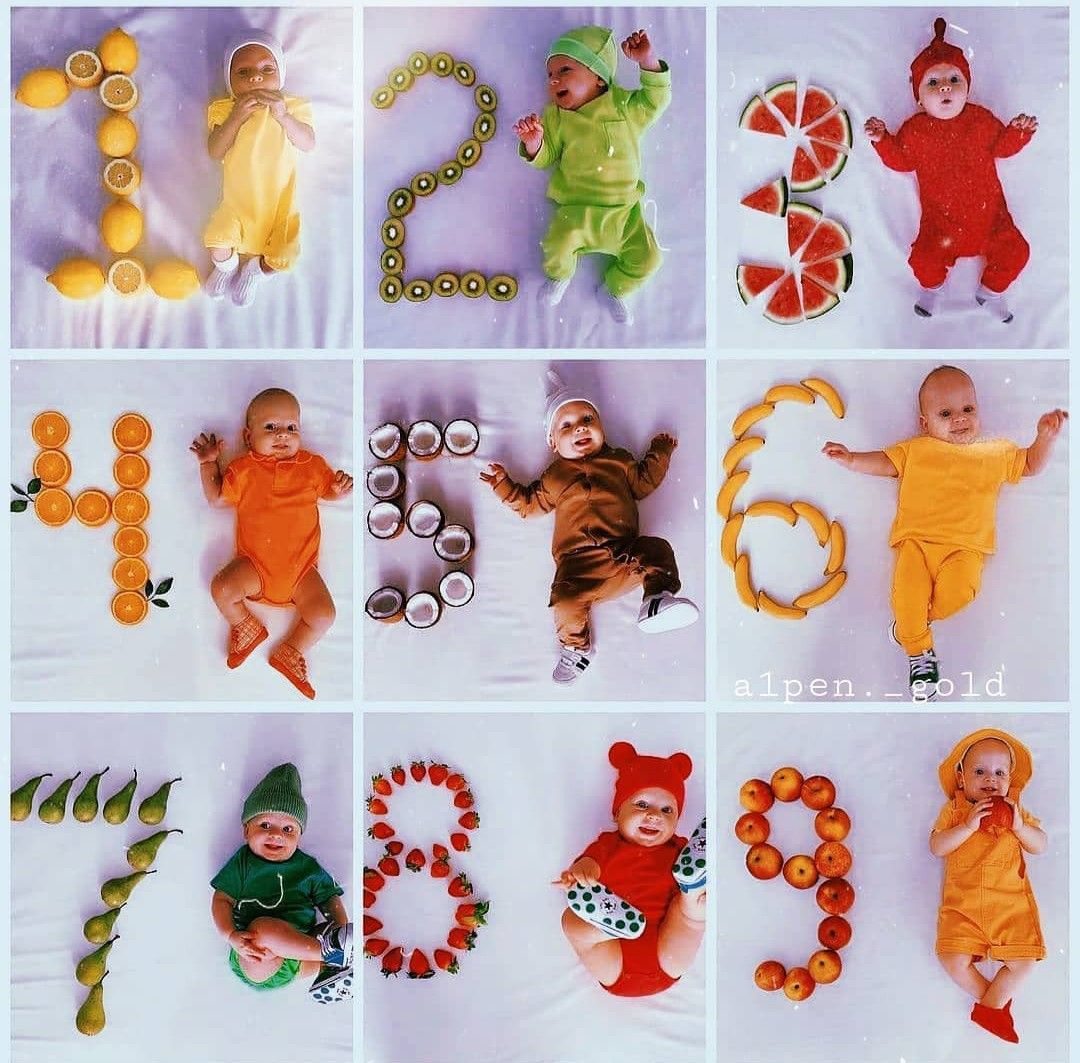
  • Memory keeping: one clear monthly photo plus a short note is often enough to remember the stage.

Baby Growth At A Glance

These are broad ranges, not a checklist your baby must match exactly. Use them to understand what many families notice around each stage.

AgeDevelopmentSleepFeeding
0 - 2 monthsMore alert moments, early eye contact, tummy time practice.Irregular sleep, short wake times, frequent naps.Frequent milk feeds and lots of burping, diapers, and settling.
3 - 4 monthsSmiles, coos, stronger head control, more social time.A clearer day-night rhythm may begin, but short naps are common.Milk remains the main nutrition; routines may feel slightly easier.
5 - 6 monthsReaching, rolling practice, supported sitting, bigger laughs.Many babies move toward more predictable naps.Some babies show readiness for first solids; ask your clinician if unsure.
7 - 8 monthsSitting confidence, toy exploration, babbling, early crawling moves.Nap timing can shift as wake windows grow.Solids often become a regular part of the day alongside milk feeds.
9 - 10 monthsCrawling, pulling up, gestures, favorite games.Many babies are on two naps or moving toward that rhythm.Textures, finger foods, cups, and family meals may become more interesting.
11 - 12 monthsStanding practice, early words, first birthday routines.Sleep can be more predictable, though changes still happen.Three meals, snacks, and first birthday foods may enter the picture.

What To Track Without Making It Overwhelming

A simple system works better than trying to record everything.

Track patterns, not perfection

For daily care, many parents track sleep, feeds, diapers, and mood. The goal is to notice patterns, not grade the day.

  • Look for what is changing over a week.
  • Use your baby's mood and energy as context.
  • Bring concerns to a pediatric clinician.

Choose one monthly memory

For keepsakes, pick one thing that represents the month: a smile, a sleepy face, sitting practice, a first food, or a favorite toy.

  • Take one clear photo.
  • Write one short note.
  • Save it in the same folder each month.

Turn One Stage Into A Monthly Photo

After the useful tracking is done, LittleCam can help turn one real baby photo into a clean monthly milestone image or first-year collage.

See monthly photo ideas

Understand the stage, then save the memory

Parents often come for milestones, sleep, feeding, and routines before they know they need a monthly photo editor.

Baby first year milestone collage
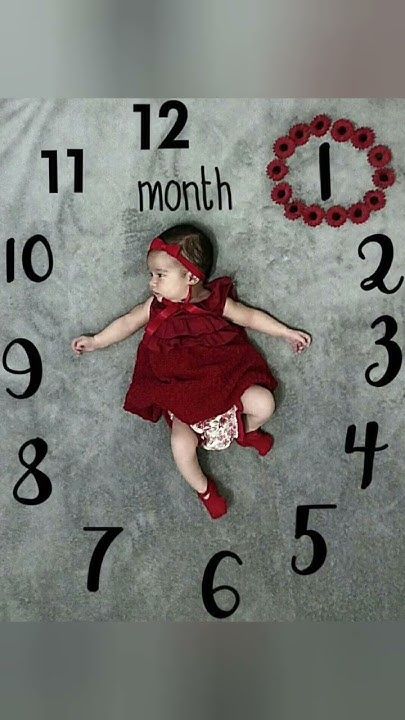
Monthly baby milestone photo idea
First birthday baby growth memory

Questions Parents Ask

What should I track in my baby's first year?

Many parents track sleep, feeding, diapers, growth, monthly milestones, and favorite firsts. For memories, a monthly photo and short note can be enough.

How can I remember each baby growth stage?

Take one clear photo each month and save one short note about what changed, such as sleep, feeding, movement, favorite sounds, or a new expression.

Create your next baby milestone photo with LittleCam.

Download on the App Store